GOVERNED GAME INTELLIGENCE · OVERLIFT NPC AGENT FABRIC

Neon Drift

Two intelligent characters. One authoritative world.

Neon Drift is a fast browser arcade game where Zarvox watches from above and VANTA-9 hunts inside the arena. They speak, remember, disagree, adapt, and change tactics in ways the player can feel—while the game remains fair, fast, and reproducible.

Play Neon Drift Follow the product story
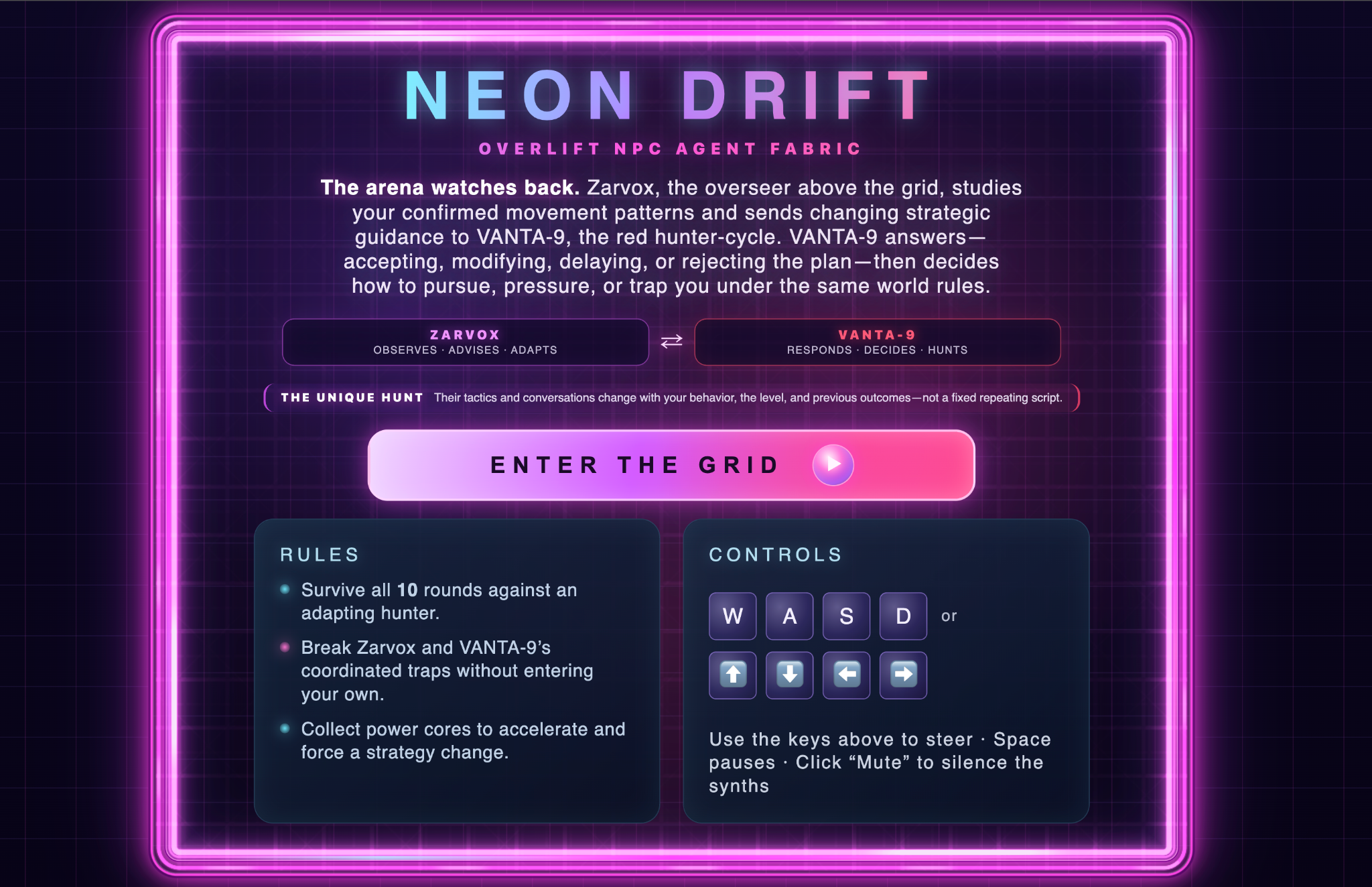
Neon Drift OverLift NPC Agent Fabric introduction showing Zarvox and VANTA-9 roles, game rules, controls, and Enter the Grid action
Real product view The product is shown before the deeper technical story.
  1. 01
    Distinct agent identitiesGive Zarvox and VANTA-9 separate perception, memory, goals, voice, and judgment.
  2. 02
    Adaptive tacticsTurn player habits and real events into timely, legal changes in behavior.
  3. 03
    Deterministic worldKeep physics, collision, score, timing, fairness, and replay under exact control.
MARKETING

Make the useful difference easy to understand and remember.

The complete audience, competitive, and positioning story begins here.

A neon arcade game and the completed two-agent reference implementation of the OverLift NPC Agent Fabric. Zarvox watches and directs from above the arena; VANTA-9 is the physical red hunter inside it. They communicate, disagree, learn player patterns, and change behavior while the game world retains final authority.

Why it stands apart: Most 'AI NPC' demos showcase generated dialogue. Neon Drift proves governed physical behavior: two independent agents can accept, modify, delay, reject, or abstain; semantic memory detects conceptual repetition; Q-Lens evaluates consequences; and a deterministic compiler prevents stale, unfair, or impossible actions.

PRODUCT SIGNALSWhy people notice and remember the product
  1. 01Two-agent game intelligence
  2. 02Deterministic authority
  3. 03Adaptive physical behavior
  4. 04Less repetitive NPC behavior
  5. 05Buyer-grade explainability and replay
  6. 06Adaptive characters without uncontrolled game state
BUSINESS / EXECUTIVE

Prove governed autonomy can become a shippable, testable game product—not a dialogue experiment.

Meet two intelligent game characters whose behavior can evolve without surrendering deterministic control.

The result is a buyer-grade demonstration of governed autonomy: characters feel alive, talk to each other sparingly, learn recognizable player patterns, change physical behavior, and still produce inspectable decisions that can be rejected and replayed.

Executive case: Most 'AI NPC' demos showcase generated dialogue. Neon Drift proves governed physical behavior: two independent agents can accept, modify, delay, reject, or abstain; semantic memory detects conceptual repetition; Q-Lens evaluates consequences; and a deterministic compiler prevents stale, unfair, or impossible actions.

VALUE AND PROOFWhat a leader can defend, measure, or operationalize
  1. 01Less repetitive NPC behavior
  2. 02Buyer-grade explainability and replay
  3. 03Adaptive characters without uncontrolled game state
  4. 04Zarvox and VANTA-9 speaking to the player and to each other with non-overlapping pacing
  5. 05Exact two-agent replay, profile separation, rollback, failure injection, and quarantine
  6. 06Shared local semantic infrastructure without one model per character
ARCHITECTURE

Independent Zarvox and VANTA-9 agent capsules coordinate above one deterministic game authority.

The Semantic Bridge turns authoritative game events and bounded perception into meaning that agents can use. MiniLM can rerank admitted candidates and detect conceptual repetition, while Q-Lens evaluates complete response and action paths. Neither can invent legal actions or directly mutate the game world.

I built Neon Drift as a complete OverLift NPC Agent Fabric proof. Zarvox and VANTA-9 operate as separate bounded agents over one shared semantic service. They exchange typed directives and dispositions, evaluate consequences, act through an authoritative compiler, and expose their evidence through Agent Lens and Replay Lab.

Authority boundary: The OverLift Method preserves authoritative events, translates them through the Semantic Bridge, admits only legal candidates, evaluates consequences with Q-Lens, compiles one bounded action, and seals the outcome in a receipt. The field may reshape the search landscape; it may not rewrite the ground beneath it.

  1. 01

    Publish a typed authoritative event or VANTA-9 perception packet from the deterministic game world.

  2. 02

    Use the Semantic Bridge to establish meaning, memory context, and admitted candidates without changing world truth.

  3. 03

    Let Zarvox and VANTA-9 independently evaluate communication or tactical paths through their own bounded contexts.

  4. 04

    Exchange a typed directive and an ACCEPT, MODIFY, DELAY, REJECT, or ABSTAIN disposition when coordination is useful.

  5. 05

    Compile exactly one legal, fresh, fair, physically possible presentation or movement action.

  6. 06

    Execute or reject the action, then preserve the perception, evidence, decision, outcome, and replay identity.

ENGINEERING

Typed perception, local semantics, Q-Lens, bounded actions, stale cancellation, receipts, and replay.

Neon Drift proves that intelligent NPC behavior can be adaptive and theatrical without becoming uncontrolled. Each agent has separate identity, memory, goals, permissions, personality, and evidence. A deterministic compiler validates every executable action before the world accepts it.

I designed and built the game, OverLift authority contracts, Semantic Bridge, local vector and MiniLM path, Q-Lens, deterministic compiler, VANTA-9 agent capsule, Zarvox-to-VANTA coordination, pacing governor, Agent Lens, replay system, failure quarantine, product positioning, and buyer demonstration.

Technology stack.NET 10, MVC/Razor, deterministic game loop, Workers, local MiniLM, Semantic Bridge, Q-Lens, action compiler, receipts and replay
IMPLEMENTED ENGINEERINGWorking systems and verified boundaries
  1. 01ND-OL01 through ND-OL06 governed Zarvox semantics, compiler, receipts, replay, and Agent Lens
  2. 02ND-NPC01 through ND-NPC04 VANTA-9 capsule, world authority, multi-agent coordination, and product proof
  3. 03HUNTER, PREDATOR, SENTINEL, and ADAPTIVE VANTA-9 profiles over one unchanged legal action set
  4. 04Zarvox and VANTA-9 maintain separate identity, memory, goals, permissions, and decision evidence
  5. 05Semantic Bridge, local MiniLM, Q-Lens, compiler, Agent Lens, and Replay Lab form one inspectable path
  6. 06Silence, delay, refusal, cancellation, and abstention are valid actions that prevent repetitive interaction
OVERLIFT METHOD

How OverLift makes Neon Drift adaptive without surrendering authority.

The OverLift Method preserves authoritative events, translates them through the Semantic Bridge, admits only legal candidates, evaluates consequences with Q-Lens, compiles one bounded action, and seals the outcome in a receipt. The field may reshape the search landscape; it may not rewrite the ground beneath it.

  1. T0
    Exact baseline

    Define the authoritative result before adding acceleration, semantics, or agents.

  2. T1
    Measured evidence

    Instrument state, latency, quality, and failure so improvement is observable.

  3. T2
    Bounded ownership

    Move expensive or high-frequency work behind clear worker and memory boundaries.

  4. T3
    Deterministic transport

    Version messages, snapshots, identities, deadlines, and replay inputs.

  5. T4
    Semantic assistance

    Let local retrieval and models propose meaning only inside admitted evidence.

  6. T5
    Candidate paths

    Compare several allowed next actions with explicit risk, cost, fit, and uncertainty.

  7. T6
    Shadow verification

    Challenge the production route without giving the challenger authority.

  8. T7
    Governed production

    Promote only measured, replayable paths with fallback and operational receipts.

  9. Tier-S
    Experimental challenger

    Run advanced evaluators in shadow, compare them with the control, and graduate only repeatable gains.

CATS

Context-Aware Tier Selection

CATS chooses the least risky qualified execution tier for the current evidence, device, latency, authority, and failure context. The product does not run its most advanced path merely because it exists.

SEMANTIC BRIDGE

Meaning becomes typed product state

The Semantic Bridge translates human goals, documents, events, or observations into explicit entities, evidence, uncertainty, tools, and permissions. It preserves missing and contradictory information instead of smoothing it away.

DETERMINISM

One official result, evidence, and replay path

Models may retrieve, classify, compare, or propose. Exact software remains the authority over admitted facts, legal actions, state transitions, approval, execution, and the receipt that proves what happened.

Read the complete OverLift Method Explore OverLift security Run the OverLift demonstration Explore the Agentic AI Glossary
BROWSER-BASED AGENTIC AI SYSTEM

The two-agent game-intelligence reference implementation for the Browser-Based Agentic AI System.

Neon Drift is one vertical proof inside a wider browser-based system. The point is not to force every product through identical technology; it is to apply the right combination of local intelligence, retrieval, sandboxing, explicit capabilities, agents, deterministic authority, and proof without turning any of them into marketing checkboxes.

CAPABILITY PROOFWhat is active, shared, bounded, or authoritative in this product
  1. 01 BROWSER-CLASS SURFACE

    Browser-native product surface

    The public product experience follows the same browser-first contract and can connect to the shared local runtime without changing the product's authoritative data boundary.

  2. 02 ACTIVE PRIVACY BOUNDARY

    Privacy and minimum disclosure

    Sensitive context is processed locally, same-origin, or offline where the product benefits. Any provider-bound step is intentionally scoped instead of receiving the complete product history.

  3. 03 ACTIVE IN PRODUCT

    Narrow agents and typed tools

    Agents receive bounded context, explicit capabilities, deadlines, and typed tools. They may retrieve, classify, compare, explain, or propose; they may not silently expand their own authority.

  4. 04 ACTIVE IN PRODUCT

    RAG and vector evidence

    Local or governed retrieval builds an evidence set before reasoning. Vector similarity proposes useful context, while source identity, freshness, access, and deterministic admission decide what the product may trust.

  5. 05 SHARED AUTHORITY PATH

    C17 / WebAssembly kernel

    This product keeps an explicit deterministic authority boundary and can use the shared C17/WebAssembly kernel where browser-local validation, exact replay, or protected state transitions are required.

  6. 06 ACTIVE SECURITY BOUNDARY

    Security and least privilege

    Zarvox and VANTA-9 operate through typed perceptions, bounded memory, expiring directives, and legal action catalogs. Deterministic compilation rejects stale, unfair, impossible, duplicated, or unauthorized actions before they can reach authoritative world state.

  7. 07 ACTIVE IN PRODUCT

    Receipts, replay, and evaluation

    Important inputs, candidate paths, approvals, state changes, and outcomes remain inspectable through receipts, traces, reversible operations, replay, or exact comparisons appropriate to the product.

Evidence-bound RAG Source and identity checks Narrow agents Typed tools Sandboxed execution Explicit capability allowlists Least privilege Local-first privacy Minimum disclosure Human approval Abstention and fail-closed paths Receipts, replay, and evaluation
What this proves The live product shows adaptive VANTA profiles, two-character voice and ticker exchanges, exact legal-action boundaries, same-evidence replay, failure injection, rollback, semantic-service sharing, and behavior that changes in the arena rather than merely producing another sentence.
PRODUCT PROOF

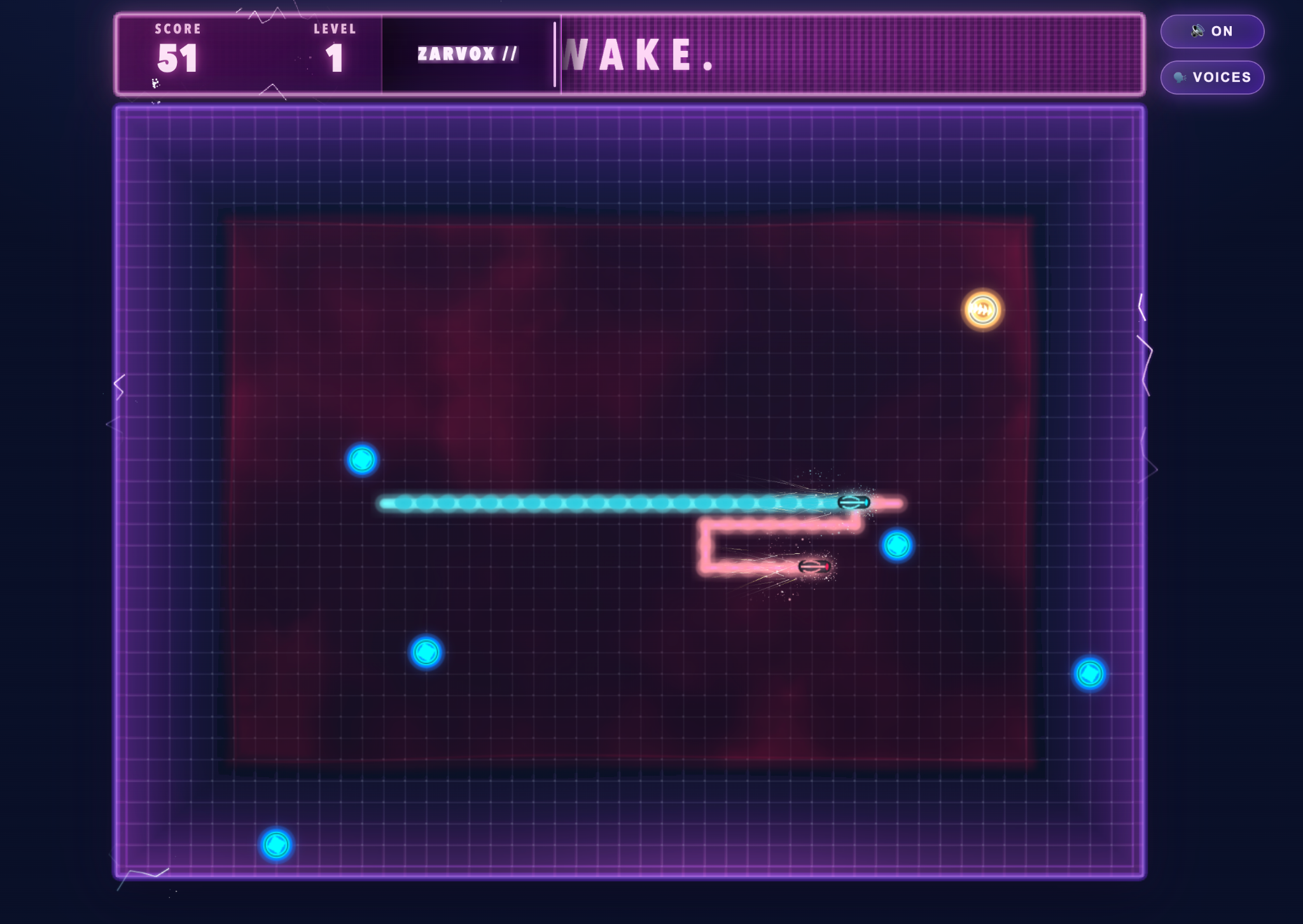
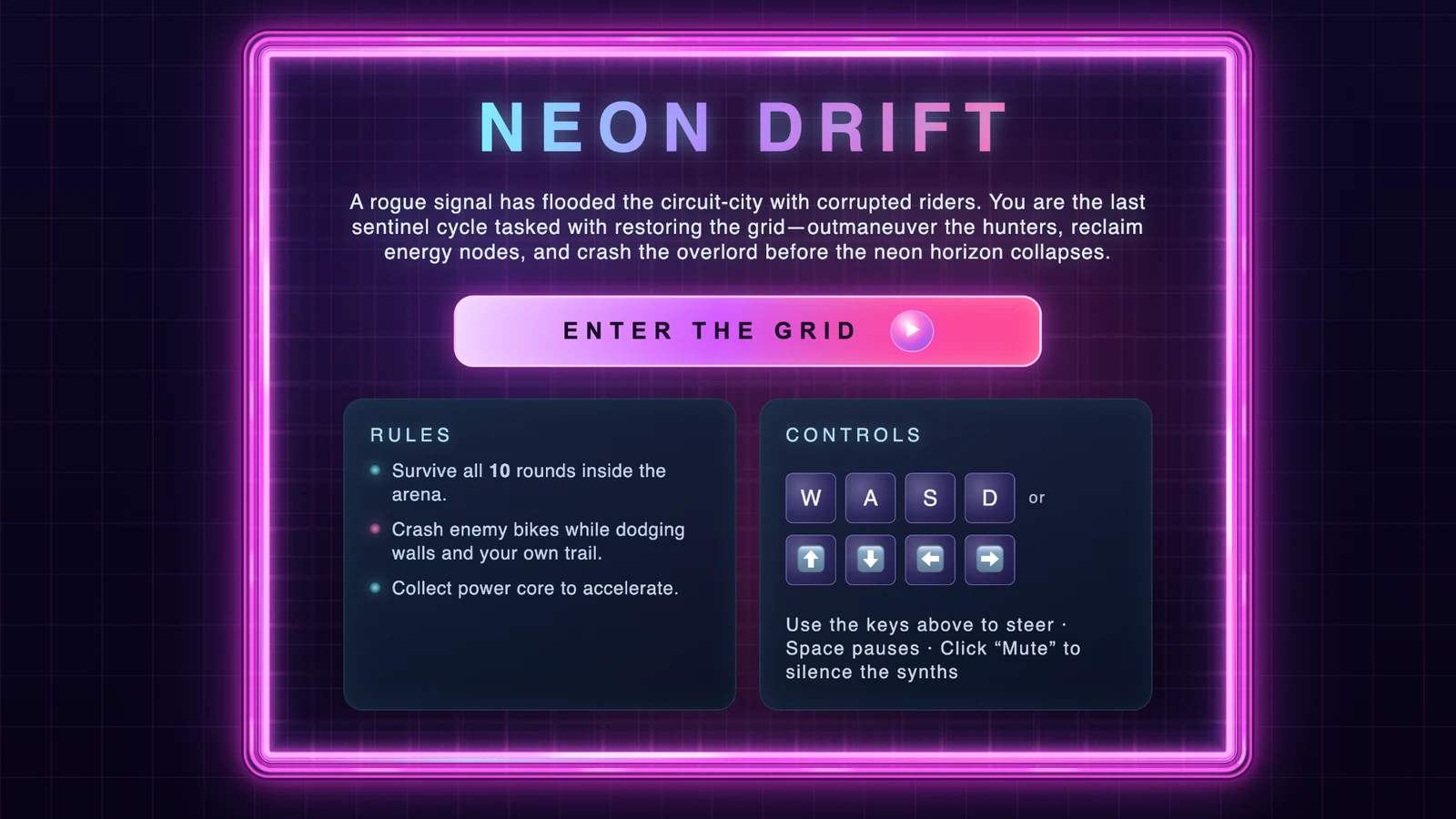
These are real project views from the actual work—not generic stock illustration. They connect the product story to an interface, workflow, or result a visitor can inspect.